Pretty Colors, Empty Pockets: What Casino Design Is Really Doing to Your Brain
Let's be honest. The first time you loaded up a candy-themed online casino — maybe even this one — you probably thought something like, "Oh, this is adorable." The pastel pinks, the gummy-bear icons, the little jingle that plays when you hit a bonus round. It all feels warm, playful, and completely harmless.
That feeling? Completely intentional.
Casino designers — and yes, this is a real, highly paid profession — spend enormous resources crafting visual environments that feel like a trip to Willy Wonka's factory rather than a place where real money changes hands. And while there's nothing inherently wrong with a little eye candy (pun absolutely intended), savvy players owe it to themselves to understand exactly what's happening behind the lollipop curtain.
Buckle up, because we're about to peel back the wrapper.
The Color Playbook: Why Red, Yellow, and Orange Are Everywhere
Pick up a bag of M&Ms. Now open a slot machine lobby. Notice anything?
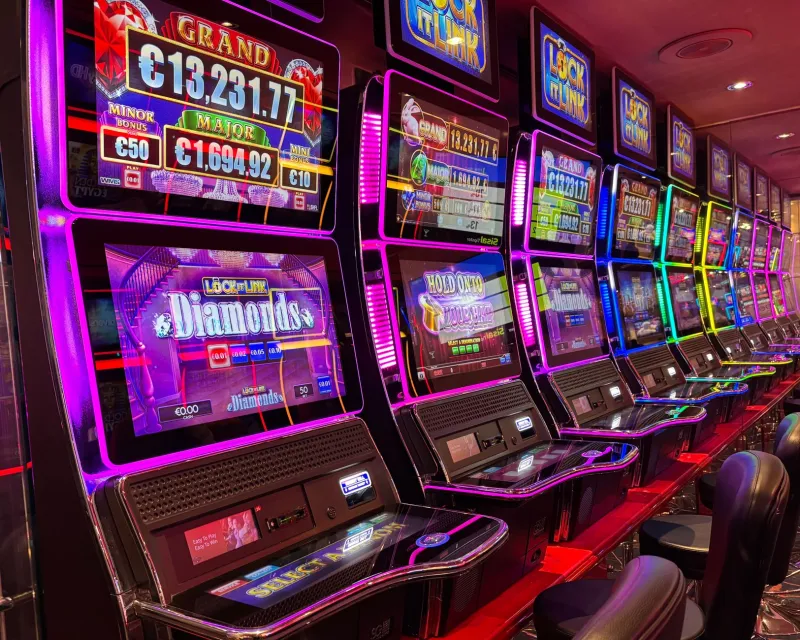
The color overlap isn't a coincidence. Warm colors — reds, oranges, and sunshine yellows — are scientifically documented to elevate heart rate, trigger mild excitement, and, crucially, shorten our perception of time. Fast food chains figured this out decades ago (hence every McDonald's you've ever walked into), and casino designers took very careful notes.
Red in particular is associated with urgency and reward. When a slot machine flashes red during a near-miss or a bonus trigger, your nervous system gets a small jolt. That jolt feels like excitement. Excitement feels like fun. And fun makes you want to keep playing.
Candy brands have exploited these same associations for over a century. By mirroring candy packaging aesthetics — the glossy surfaces, the jewel-bright hues, the cartoonish fonts — online casinos borrow a lifetime of positive emotional memories. You're not just looking at a slot machine. Somewhere in the back of your brain, you're five years old, staring at the penny candy display at the corner store.
That's powerful stuff.
Nostalgia as a Design Weapon
Here's where it gets genuinely fascinating — and a little uncomfortable.
Psychologists call it affective conditioning: when a neutral stimulus (say, a spinning reel) gets paired repeatedly with a positive emotional state (the warmth of childhood candy memories), the neutral stimulus starts to carry some of that emotional charge on its own.
Candy-themed casino games are essentially nostalgia machines. The strawberry-shaped wilds, the chocolate-coin scatter symbols, the bubblegum-pink backgrounds — they're all designed to activate the part of your brain that associates sweets with safety, reward, and uncomplicated happiness. That's the part of your brain that existed before you understood credit card statements.
The practical result? Players report feeling more relaxed, less financially vigilant, and more willing to extend their sessions on visually "sweet" platforms compared to darker, more austere casino designs. Lower inhibitions + longer sessions = exactly what the house wants.
The Sound-Color-Motion Trifecta
Color is just the beginning. The full sensory package is where casino design really earns its keep.
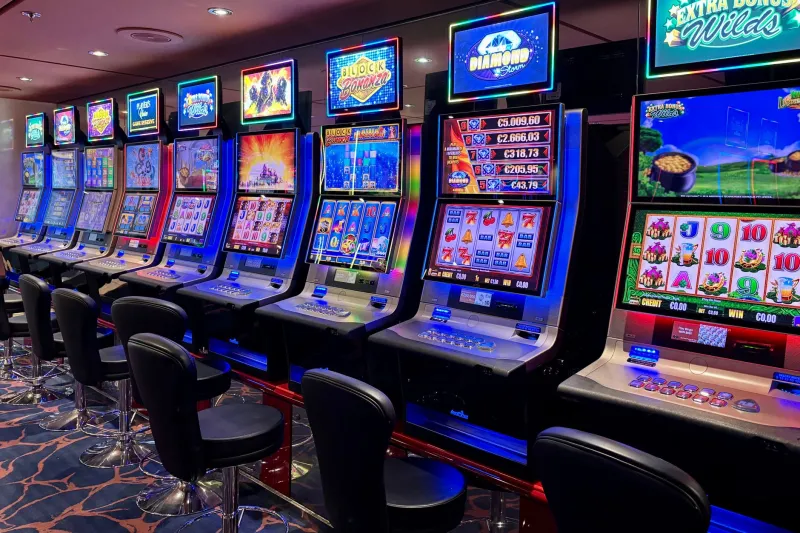
When you combine candy-bright visuals with upbeat, major-key sound effects and smooth, satisfying animations — coins cascading, symbols bouncing, numbers ticking upward — you create what designers call a reward loop. Each spin delivers a micro-dose of sensory pleasure, whether you win or lose. The animations on a losing spin are often just as visually engaging as those on a winning one. Your eyes don't know the difference between "cool animation" and "you just made money," and game developers know that.
This is sometimes called the losses disguised as wins effect. You spin, the reels light up in a cheerful explosion of color and sound, and your brain registers something positive — even when your balance just went down. Candy imagery amplifies this because it's already associated with reward in your memory bank. The whole experience gets wrapped in a bow of manufactured delight.
Spotting the Sugar Rush in Real Time
Okay, so now that we've thoroughly demystified the candy-coated magic trick, what do you actually do with this information? Glad you asked.
Set a visual anchor before you play. Before you start a session, take ten seconds to literally look at your balance. Not the animations, not the lobby art — your actual dollar amount. This grounds you in financial reality before the sensory environment takes over.
Notice when you're enjoying the game versus the aesthetics. There's a difference between "I'm having fun playing this slot" and "I just really like watching the candy symbols bounce around." One is entertainment. The other is you paying for a screensaver.
Use the mute button strategically. Sound design is a major component of the reward loop. Muting a game for a few minutes can feel jarring at first — and that jarring feeling is useful data. It tells you how much of your engagement was sonic rather than strategic.
Watch for the near-miss setup. Candy-themed games often use bright, close-call animations when two jackpot symbols land just outside the payline. This is designed to feel like almost-winning, which triggers the same neurological response as actually winning. Recognizing it for what it is — a visual trick, not a sign that a big payout is imminent — can save you from chasing a ghost.
Take a lobby lap. If you find yourself switching games frequently, chasing the one that looks most exciting, you're navigating by aesthetics rather than strategy. Pause, pick a game based on its RTP and volatility (we've got guides for that), and stick with it.
The Bottom Line: Sweet Can Still Be Smart
None of this means candy-themed casinos are villains. Here at Big Candy Casino, we'll be the first to admit we love a good gumdrop graphic. The point isn't to make you suspicious of every cheerful color palette — it's to hand you the wrapper so you can read the ingredients.
Knowing that a game's visual design is engineered to extend your play session doesn't ruin the fun. If anything, it makes you a more confident, more deliberate player. You can enjoy the sugar rush while keeping your brain in the driver's seat.
Because the best casino session isn't the one where you got most dazzled by the pretty lights. It's the one where you set a budget, stuck to it, had a genuinely good time, and walked away — or logged off — on your own terms.
Now that's a sweet outcome.