Cereal Aisle Chaos vs. Casino Clarity: Why You're Actually a Smarter Decision-Maker at the Slots
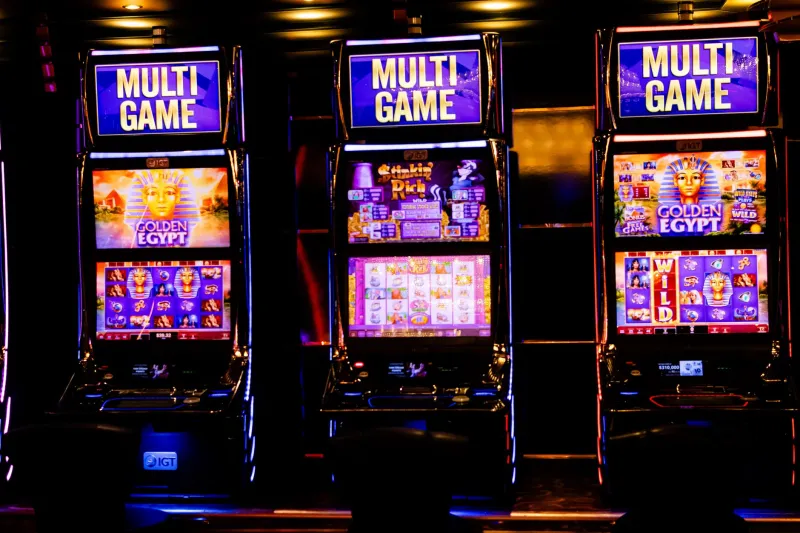
Let's set the scene. You've walked into your neighborhood grocery store for three things: milk, bread, and something vaguely healthy to feel good about yourself. Forty-five minutes later, you're standing in the checkout line holding a family-size bag of Flamin' Hot Cheetos, a candle that smells like "autumn harvest," and absolutely no milk. You have failed spectacularly at the one task you came to do.
Now contrast that with the last time you sat down for a solid online gaming session. You set a budget. You picked your game. You tracked your spins. You left when you said you would — or at least you tried to, which honestly puts you ahead of most people in the Cheetos situation.
So here's the spicy question nobody's asking: Are you actually better at making decisions in a casino environment than you are in everyday consumer life?
Spoiler alert, honey: you might be.
The Grocery Store Is a Masterclass in Psychological Warfare
Before you feel too smug, let's appreciate just how aggressively the modern American supermarket is designed to separate you from your money and your dignity.
The milk is always at the back. Always. That's not an accident — it's a calculated move to drag you past seventeen end-cap displays of chips, seasonal candy, and "limited edition" flavors of things that had no business getting a limited edition. The store layout changes every few months, just often enough to keep you disoriented. Upbeat music is piped in at a tempo scientifically calibrated to slow your walk and lengthen your stay. The lighting in the produce section is warm and flattering. The bakery pumps its scent through the ventilation system like a delicious, carb-scented trap.
And the options. Lord, the options. There are currently 49 varieties of Oreos. Forty-nine. Nobody asked for Carrot Cake Oreos, and yet here we are, standing in the cookie aisle for eleven minutes reading the back of a package like it contains the secrets of the universe.
This is sensory overload masquerading as consumer freedom. And most of us fall for it every single time.
Now Let's Talk About What Actually Happens at the Slots
Here's where it gets interesting — and a little bit vindicating for every player who's ever been told they "should know better."
When you sit down to play online slots or table games, something kind of remarkable happens: the rules are explicit. The paytable is right there. The RTP is published. The minimum bet is displayed. You know exactly how much you're risking per spin before you hit that button. Nobody's hiding the jackpot at the back of the store behind a wall of impulse purchases.
Smart players — and this means you, candy crew — also tend to walk into a gaming session with something most grocery shoppers never bother with: a plan. You've got a bankroll limit. You know which games you prefer. You understand that a 96% RTP slot hits differently than a 92% one. That's genuine financial reasoning happening in real time.
Compare that to the average American household, which, according to multiple consumer studies, throws away somewhere between $1,500 and $2,000 worth of groceries every year because people bought impulsively, forgot what they had at home, or just got seduced by a "Buy 2 Get 1 Free" deal on something they've never actually eaten.
Who's the reckless one now?
The Psychology of Constraint (And Why It's Your Secret Weapon)
Here's the counterintuitive truth that behavioral economists have been chewing on for years: too many choices make us worse decision-makers, not better. This is called the paradox of choice, and it explains why you can spend 20 minutes picking a Netflix show and still end up rewatching The Office for the fourth time.
Online gaming environments, whatever their other quirks, tend to compress choice in useful ways. You pick a game category. You filter by theme or feature. You set your bet. You play. The structure actually helps your brain do its job.
Grocery stores, on the other hand, hand you infinite freedom and zero guardrails. The result? You buy three kinds of salad dressing, use one, and forget the other two exist until they expire quietly in the back of the fridge.
The casino player who sticks to their volatility preference and stays within their session budget is practicing a form of disciplined decision-making that most consumer culture actively discourages. That's not nothing. That's genuinely impressive.
The Candy Aisle Parallel (Yes, We Went There)
We'd be failing our brand identity if we didn't take a moment to appreciate the candy aisle specifically — because it is, in many ways, the spiritual cousin of a slot lobby.
Both are colorful. Both are engineered to delight your senses. Both offer a dizzying variety of options with varying risk-to-reward ratios (a bag of Swedish Fish is a safe, reliable classic; a mystery flavor Airhead is a high-variance gamble with unpredictable outcomes). And both have the potential to leave you significantly lighter in the wallet than you intended.
The difference? In the candy aisle, you're flying blind. In a slot lobby, you can actually read the paytable. Imagine if every bag of candy had to legally disclose its "return to snacker" percentage. The game would change overnight.
Until that glorious day arrives, at least you've got us.
What This Actually Means for How You Play
None of this is to say that casino environments are without their own psychological nudges — they absolutely have them, and we've written plenty about that too. But the point here is to flip the narrative a little.
Players who approach their gaming sessions with intention — a set budget, a game plan, a time limit, and an honest relationship with their own risk tolerance — are exercising real cognitive muscles. They're doing something that consumer culture rarely demands of us: making deliberate, informed choices under transparent conditions.
So the next time someone gives you a look for enjoying a few spins on your lunch break, just remind them that you, unlike them, did not spend $11 on a "craft" ketchup last Tuesday because the label had a rooster on it.
You're playing smart. You're playing fun. And here at Big Candy Casino, we think that's worth a little celebration — maybe even a victory lap past the cereal aisle.
Just don't stop for the Oreos. All forty-nine of them are a trap.