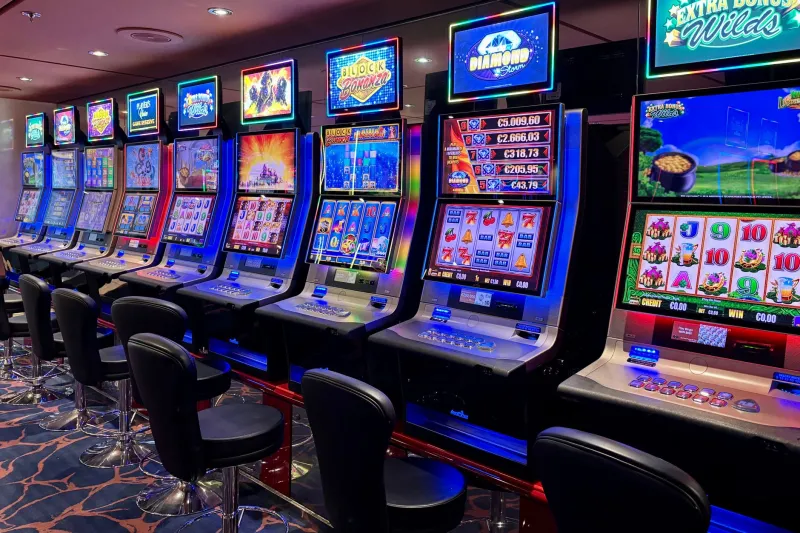
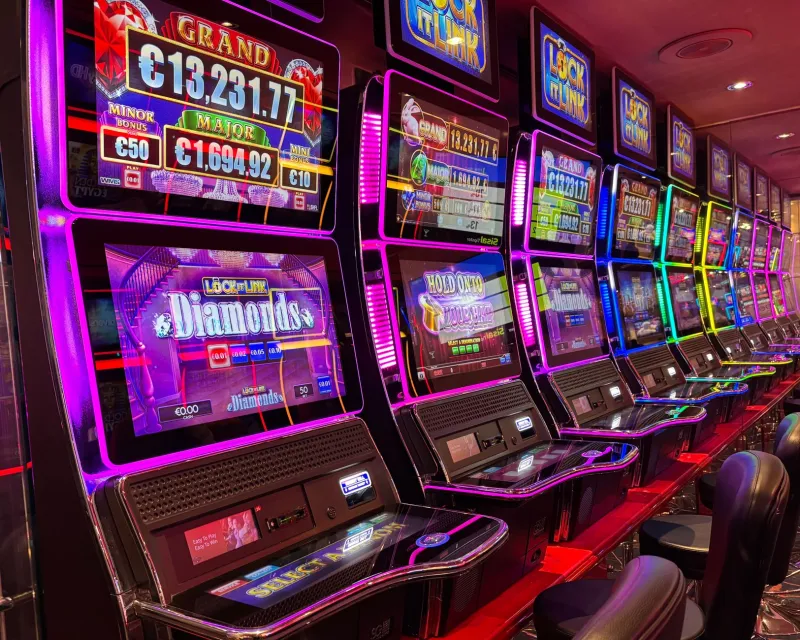
Gummy Bears, Gobstoppers, and the Ghost of Saturday Morning: How Nostalgia Slots Are Playing Your Emotions Like a Pinball Machine
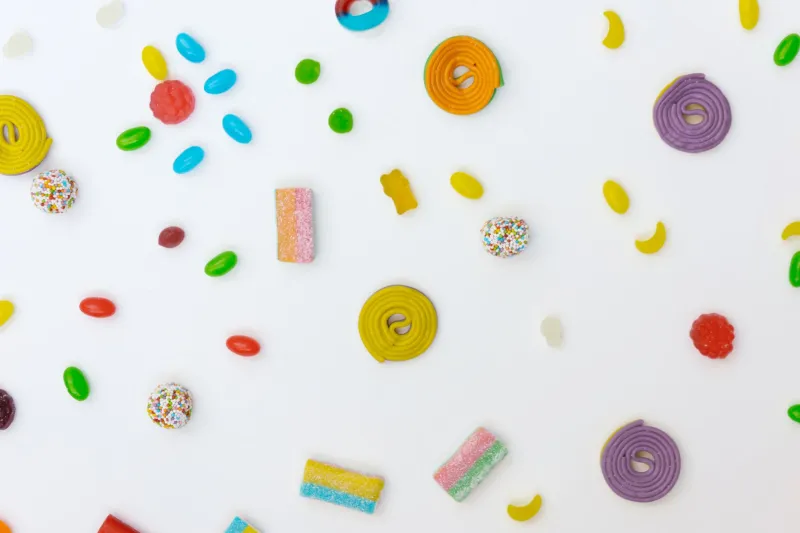
Picture this: you're scrolling through a game lobby at 9 PM on a Tuesday, responsible adult energy fully activated, sensible bedtime absolutely on the agenda. Then a slot thumbnail catches your eye — bright primary colors, a wobbly cartoon gummy bear wearing a top hat, a font that looks suspiciously like it belongs on a lunchbox from 1994. Before you've consciously made a decision, you've clicked, loaded, and dropped your first bet.
Congratulations. You just got hit by what psychologists call the nostalgia effect — and game developers have been perfecting the trigger mechanism for years. Here at Big Candy Casino, we think you deserve to know exactly what's happening inside your brain when those retro candy reels start spinning. Knowledge is power, and power is way more fun when you're spending intentionally.
Why Your Brain Treats Old Candy Like a Warm Hug
Nostalgia isn't just a warm fuzzy feeling — it's a full-body neurological event. When you see something that reminds you of childhood, your brain releases a small but meaningful hit of dopamine, the same reward chemical that fires when you win a hand of blackjack or land a bonus round. The two sensations stack on top of each other in ways that researchers are still unpacking.
A 2014 study published in the Journal of Consumer Psychology found that nostalgic feelings actively reduce price sensitivity. Translation: people are willing to spend more money on things that remind them of being a kid. They also make decisions faster, with less deliberation. For a casino game that profits from extended play sessions and impulsive spins, that's basically a golden ticket wrapped in a Wonka bar.
Candies and sweets are especially potent nostalgia triggers for American players specifically. Think about it — Halloween hauls, movie theater candy, the specific joy of a gas station gumball machine that actually worked. These aren't just memories. They're emotional anchors, and a well-designed slot game can drop one right in front of you before you've finished your first sip of whatever you're drinking tonight.
The Anatomy of a Nostalgia Slot
Game developers building candy-themed slots aren't just picking cute visuals at random. There's a deliberate recipe, and once you see it, you'll spot it everywhere.
Color palette first. Primary reds, yellows, and blues dominate because those are the colors that dominated American candy packaging from the 1970s through the 1990s. Your visual cortex processes these as "safe and familiar" before your conscious brain even gets involved.
Sound design second. Notice how many candy slots use xylophone pings, cartoon boings, and jingle-adjacent background music? That's not accidental whimsy — that's a direct line to Saturday morning cartoons and after-school snack time. The audio environment is designed to lower your psychological defenses by making you feel like a kid again, in the best possible way.
Character design third. Anthropomorphized candy — gummy bears with faces, lollipops with little arms — activates what psychologists call the cute response, which increases engagement and willingness to interact. You don't just spin the reels. You're playing with the candy character, and that changes the emotional math entirely.
Put all three together and you've got a machine engineered not just to entertain, but to feel like home.
The Brand Licensing Game
Here's where it gets particularly interesting for US players: licensed candy brands. Games built around real-world candy names — think anything featuring actual trademark-protected sweets you can still buy at a Walgreens — carry an extra psychological payload. These aren't just nostalgic vibes. These are specific memories.
Seeing a game built around a candy you actually ate as a kid creates what marketers call brand intimacy — a personal relationship with a product that feels almost like a friendship. You trust it. You associate it with good times. And when that familiarity gets combined with the variable reward structure of a slot machine, the result is a stickiness that generic games simply can't replicate.
Game developers pay significant licensing fees for these partnerships precisely because the conversion data backs it up. Players who recognize a brand from their childhood load those games at higher rates, play longer sessions, and return to them more consistently than to unbranded alternatives with equivalent payout structures. Your memories are, quite literally, a revenue stream.
Nostalgia Isn't Evil — But It Deserves a Closer Look
Let's be clear about something: there is absolutely nothing wrong with enjoying a candy-themed slot. The colors are fun, the sounds are cheerful, and if the game makes you feel like you're seven years old raiding your Halloween bag, that's a genuinely pleasant experience. Entertainment is the whole point.
The issue isn't the nostalgia itself — it's the unawareness of it. When you don't know that your emotional response to a gummy bear graphic is actively influencing your spending decisions, you're at a disadvantage. When you do know it, you can enjoy the experience without letting it override your judgment.
A few practical moves that actually help:
- Set your session budget before you load any game. Nostalgia hits hardest in the moment of recognition, so your best defense is a decision made before that moment arrives.
- Notice the feeling. Seriously — if you catch yourself thinking "oh, I love this candy," that's the trigger firing. Acknowledge it, smile at it, and then check in with your wallet.
- Compare RTPs across themed and non-themed games. Sometimes nostalgia slots carry slightly lower return-to-player percentages because developers know the emotional appeal does some of the heavy lifting. Worth checking before you commit.
- Give yourself a nostalgia budget. Some players find it useful to deliberately allocate a small portion of their entertainment spend to "pure fun" games — the ones they play because they love the theme, not because of the math. Knowing it's your "nostalgia fund" keeps it in perspective.
The Sweetest Trick in the Lobby
Here's the thing about candy-themed casinos like this one: we're not pretending the aesthetic is neutral. The whole brand is built on the idea that gaming should feel playful, colorful, and a little bit magical — like that moment when you first saw a full candy aisle as a kid and thought all of this could be mine.
But there's a difference between a casino that uses candy imagery to create a fun atmosphere and the more calculated version of the same trick, where specific emotional triggers are deployed to override your decision-making. The first is entertainment design. The second is manipulation.
The best way to enjoy nostalgic candy slots — and there are genuinely great ones out there — is to go in with eyes open. Appreciate the craft of the design, enjoy the dopamine hit of the spinning gummy bears, and then make your next bet based on your budget and your enjoyment level, not on the ghost of your ten-year-old self who really, really wanted that full-size Snickers.
Your memories are yours. They're also adorable. Just don't let them do your bankroll math for you.